

Ernest Cook University (ECU) in Kampala is committed to advancing knowledge through innovative, community-centered, and globally relevant research.


The University integrates academic excellence with practical solutions to address Uganda’s development challenges and contributes to regional and international scholarship.


Our research philosophy is anchored on
Innovation, Sustainability, and Impact, with a strong emphasis on translating research outputs into real-world applications that improve livelihoods and drive socio-economic transformation.
70 +

ongoing multidisciplinary projects

10+

 annual high impact publications

10+

Research grants won

The Research Enterprise

Research Centers & Labs

At the intersection of disciplines is where new ideas emerge and innovative research happens
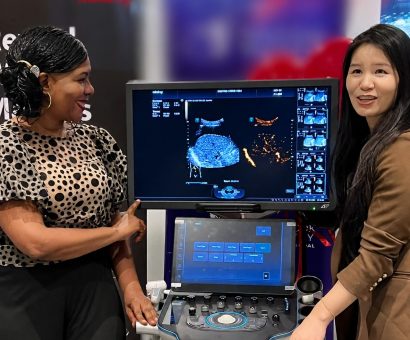
Institutes, Labs & Centers

At the intersection of disciplines is where new ideas emerge and innovative research happens
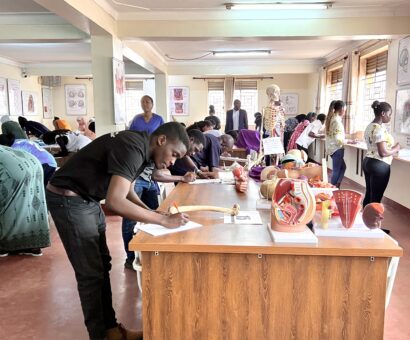
Interdisciplinary Research

At the intersection of disciplines is where new ideas emerge and innovative research happens
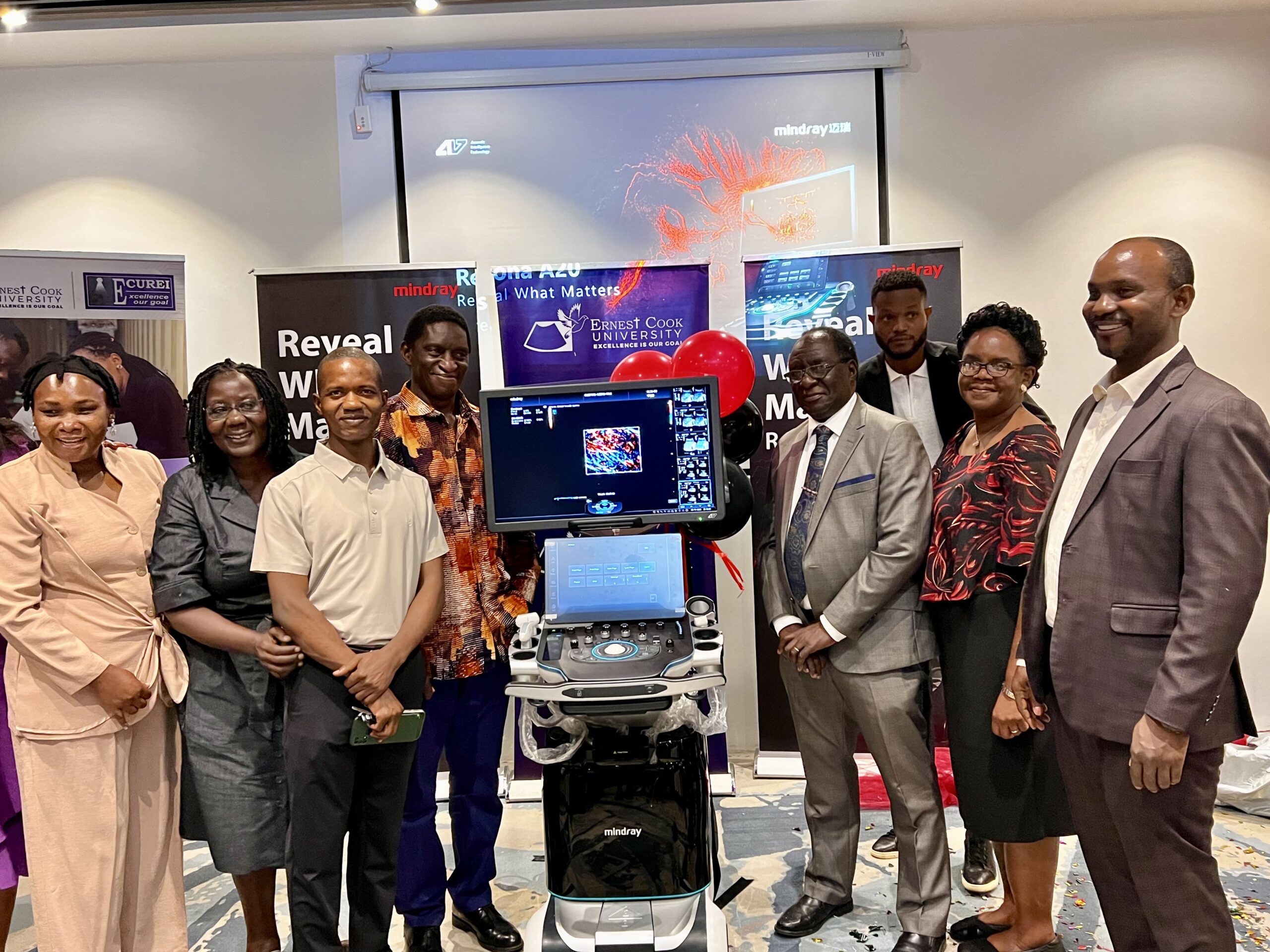
Advancing Healthcare Through Quality Medical Imaging

Ernest Cook University is an established center of excellence in Diagnostic imaging technologies (ultrasound, MRI, CT), Radiology and biomedical engineering innovations and Clinical diagnostics and imaging-based disease management

At our imaging facilities and innovation center, researchers tirelessly explore, question, and innovate to shape the future of healthcare.

Diagnostic Imaging Tech

Improving access to affordable imaging technologies Enhancing the accuracy and efficiency of diagnostic procedures Adapting imaging technologies to resource-limited healthcare settings

01

Radiology & Biomedical Eng

Design and adaptation of low-cost diagnostic equipment
Maintenance and optimization of imaging technologies in clinical settings Development of context-appropriate medical devices for African health systems

02

Clinical Diagnostics

Detection and monitoring of maternal and fetal conditions Diagnosis of non-communicable and infectious diseases Guiding clinical decision-making and treatment planning

03

Research background

Ernest Cook University (ECU) builds on a strong legacy of applied health research and innovation that originated from the Ernest Cook Ultrasound Research and Education Institute (ECUREI)-a leading center for medical imaging training and research in Sub‑Saharan Africa.

Our Research Agenda

The University’s research agenda is grounded in evidence-based practice, clinical innovation, and community impact, reflecting its foundation in diagnostic imaging, health sciences, and technology-driven education. ECU maintains an active Research and Publication Repository, which includes journals, staff papers, theses, and student research outputs.

Collaboration and Interdisciplinary Insights:

At Ernest Cook University, we believe that research thrives on collaboration. Our Researchers from diverse backgrounds—clinicians, scientists, technologists, and ethicists—come together to pool their expertise, fostering interdisciplinary insights that drive innovation forward.

Impactful Research = Knowledge Translation

Research at ECU is deeply rooted in ECUREI’s track record of clinical research, training, and capacity building in medical imaging and public health. Our Key contributions include:

  • Establishment of scholarly repositories comprising staff publications, dissertations, and academic research outputs.
  • Development of specialized expertise in diagnostic ultrasound and radiology, areas that continue to inform ECU’s research direction.
  • Participation in international collaborative research initiatives, particularly in maternal and neonatal health.

For example, ECU-led programs have enhanced ultrasound access in rural Uganda, training healthcare workers and improving antenatal care outcomes through applied research and field-based interventions.

Welcome to browse through our Authors list

Our publications  reflect a strong dedication to academic excellence, research innovation, and community impact. Through sustained scholarly output and strategic partnerships, the institution continues to strengthen its position as a centre of excellence in medical imaging education, research, and practice in Africa.

Prof. Kawooya’s research has addressed key issues such as:

  • Quality and safety in medical imaging, including frameworks for improving standards and minimizing risks in African health systems.
  • Expanding access to imaging services, especially in rural and underserved populations.
  • Maternal and reproductive health applications of ultrasound, including antenatal imaging and its role in reducing preventable mortality.
  • Health systems strengthening, with emphasis on training, policy, and sustainable implementation of imaging technologies.

View his works here: https://scholar.google.com/scholar?hl=en&as_sdt=0%2C5&q=Michael+Grace+Kawooya&btnG=

Dr. Zeridah Muyinda’s publications demonstrate a strong focus on strengthening radiology services, improving cancer detection pathways, and promoting patient‑centered diagnostic care. Her work continues to inform clinical practice, education, and health policy, particularly in the context of enhancing imaging capacity and outcomes in low‑resource environments.

View her works here: https://scholar.google.com/scholar?hl=en&as_sdt=0%2C5&q=Dr.+Zeridah+Muyinda&btnG=

Dr. Harriet Nalubega Kisembo’s publications have played an important role in shaping radiology practice, training, and policy in Uganda and across Africa. Her work bridges clinical radiology and public health, with a consistent emphasis on patient safety, efficient resource use, and strengthening health systems. Through her research, she continues to influence the integration of evidence‑based imaging into routine healthcare and to advance the role of radiology in improving diagnostic accuracy and health outcomes.